How to Travel With a Car Seat and Stroller
How to travel with a car seat and stroller, from carrying the gear through TSA to boarding, gate-checking and collecting everything after your flight.
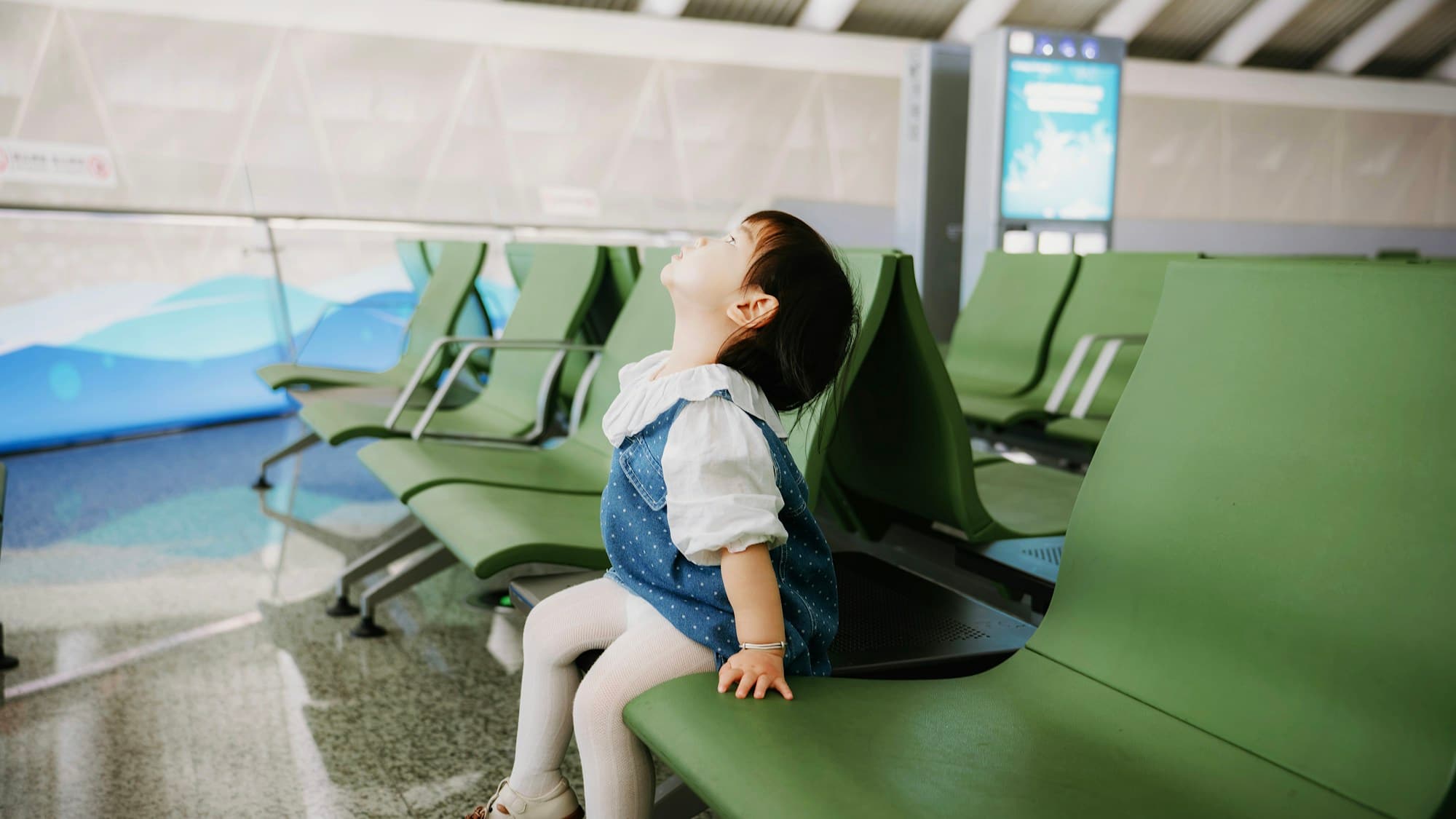
Hero photo: wang binghua / Unsplash.
By the time you reach the gate, the stroller can be carrying half the trip: your child, the diaper bag, the jacket nobody wants to wear. Then it needs to fold, and everything that had a place suddenly needs a hand.
To travel with a car seat and stroller, plan for the moments when you have to stop rolling and start carrying. That matters especially once your child has outgrown the infant seat that clips onto the stroller. You still need both pieces of equipment, but they no longer travel as one.
It is much easier to work out who holds the child and where the bags go beside your sofa than in a boarding line. Start with how far the car seat needs to travel with you, then choose a way to carry it that you can manage with the rest of your luggage.
Decide whether the car seat is coming onboard
Before buying a carrying bag, follow the car seat to the end of its airport journey. Will you hand it over at the check-in counter, leave it at the gate, or carry it down the aisle to your child's row? Using it on the plane means carrying it all the way to the aircraft seat. Gate-checking still leaves you moving it through the terminal.
The FAA recommends an approved child restraint for the flight, chosen for your child's size. Children under two are permitted to travel on an adult's lap, but that permission is different from the safety recommendation. Buy your child's ticket if you need to guarantee a place for the car seat; an empty seat beside you is not something to build the trip around.
Before booking the row, check the seat's aircraft approval and instructions. Confirm where you can use it with the airline operating the flight. For a US-certified seat, the aircraft-use wording is “This restraint is certified for use in motor vehicles and aircraft.” Seats bought abroad can have other accepted markings. Check the label and airline policy before ruling one out.
The restraint also has to work in the seat and cabin you have booked. A window position is generally appropriate because the seat must not block anyone's escape, but follow the airline's seating rules and the manufacturer's installation instructions.
A lighter seat is tempting when you are picturing that walk down the aisle, but familiar installation counts too. Start with the car seat you already own before adding another purchase to the trip. A baby carrier can help you move through the airport; it does not replace an approved restraint for taxi, takeoff and landing.
Moving an infant seat is different from moving a convertible seat
With a compatible infant seat and stroller, you can roll through the terminal with your baby and the seat together, separating them when needed at security or boarding. After the move to a separate convertible seat, that familiar arrangement is gone. The stroller still has its job; the car seat now needs a carrying plan of its own.
Keep the infant arrangement specific to your equipment. Check the approved adapters and instructions, including whether the seat can be installed on the aircraft without its base. Do not assume another family's combination works with your stroller, or that every infant base should travel the same way.
Choose that carrying method with the aircraft door in mind. You need to be able to take it apart while keeping your child close, then pick up everything that is coming onboard.
| Method | What it helps with | What remains at boarding |
|---|---|---|
| Compatible infant seat attached to its stroller | Moves the baby and seat together in the approved travel-system arrangement | Detach the seat, fold or hand over the stroller, and carry the seat onboard if you are using it |
| Purpose-built car-seat cart | Lets you roll a compatible seat instead of carrying its weight | Detach and stow the cart; be prepared to carry the seat down the aisle |
| Car-seat bag with wheels or backpack straps | Gives you another way to move the seat alongside your stroller | Take the seat out for use, then stow the bag; test the weight and bulk first |
| Carrying the seat by hand | Avoids bringing another transport accessory | Leaves one hand occupied, which matters when the child also needs carrying |
A cart helps until you need to carry the seat
A long walk to the gate is where a purpose-built cart earns its place. You can roll a compatible seat beside you instead of carrying its full weight, though the cart itself still needs folding and putting away at boarding. Before buying one, check how your seat attaches, where you will stow the cart and how the airline counts it toward your cabin-bag allowance.
The Britax Car Seat Travel Cart, for example, attaches through the seat's lower LATCH connectors and has specified compatibility requirements. Do not assume an ordinary luggage trolley can do the same job. Only let a child ride on the cart when its instructions allow use with that exact seat and your child aboard.
The awkward moment can come at the aircraft door. Even if the seat has rolled comfortably across the terminal, be ready to detach it from the cart and carry it down the aisle. Work out where the folded cart goes while you are installing the seat.
A backpack bag frees a hand, but you still carry the weight
A backpack bag can leave a hand free for the stroller or your child, but try wearing it with the seat inside before deciding that the problem is solved. Walk around, turn through a doorway and bend down as if you were picking up a dropped toy. Wear your other cabin bag too; that is the load you will actually be carrying.
Some bags offer both wheels and backpack straps; Britax's travel bag is one example. Think about which job you need the bag to do. Carrying the seat, containing loose pieces and keeping fabric cleaner are different jobs from preventing damage in baggage handling.
If you will use the car seat onboard, decide where the empty bag goes after unpacking it. If you will check the seat, follow its manufacturer's packing advice. Padding should never be treated as a promise that the seat cannot be damaged.
Practice with the bags you are actually taking
Do the rehearsal with the suitcase and a packed diaper bag beside you. Leave them out and it is easy to miss the awkward bit: the stroller folds beautifully, but you still have bags on the floor and a child who needs picking up.
Run through the changes slowly at home: take your child out, detach the seat or cart, fold the stroller, then pick up what must go onboard. Keep a clear place for your child throughout. If the plan depends on a toddler walking, try the version where they want to be carried. Finding the difficult bit now gives you time to change it.
With two adults, one can stay with the child while the other folds and packs the gear. Alone, those jobs need to happen in a different order. Keep the number of separate pieces down and test whether you can manage each step on your own.
If an ordinary suitcase is making that sequence impossible, checking it may be worth the fee. Carry-on-only travel can work too, but count who will move each piece after the stroller basket stops being storage. The bag hanging neatly from a handle still has to go somewhere when the stroller folds.
If your child settles happily into a familiar carrier, it may help with the walk after gate-checking. If they already push away whenever you put it on, plan around that too. An airport is a demanding place to try to change their mind, and wearing the baby does not remove the weight of the car seat you are also carrying.
Keep flight essentials together, rather than spreading them through stroller pockets. The toddler packing list can help trim the cabin load; the useful question is what you will need before you get the rest of your luggage back.
Getting a car seat and stroller through TSA
A packet of crackers, the cardigan you took off at check-in, a toy tucked into the basket: it does not take much for the stroller to become another bag. Gather those loose things before reaching the screening belt, while you can still give them your attention.
Your child comes out of the stroller or car seat for screening. The equipment goes through the X-ray machine if it fits; TSA uses visual and physical inspection for items that are too large.
- Gather the basket and pocket contents. Put loose items into your carry-on so they can be screened without scattering.
- Keep your child with you. Remove them from the stroller or car seat. With two adults, give one person the child while the other handles the equipment.
- Let the officer direct the equipment screening. A car seat that is too large for the machine receives a different inspection; its size does not automatically mean you cannot take it through.
- Reassemble before moving on. Check that you have the seat, stroller, bags and detached pieces before leaving the screening area.
If you are alone or struggling with the gear, ask a TSA officer for help. Be specific about needing assistance with folding or moving equipment; do not build the plan around someone else holding your child. Once everything is through, take a moment to get yourselves back together before heading for the gate.
Before you leave the stroller at the gate
If your child falls asleep on the walk to the gate, keeping the stroller until boarding can feel like the best decision of the morning. Just make sure the airline allows your particular stroller to get that far.
Free checking, permission to use the stroller through the terminal and permission to bring it into the cabin are separate questions. Settle them before deciding which bags you can carry.
Counter checking means handing the equipment over before security. Gate checking lets you keep an accepted item with you farther into the journey, but the handover point and return arrangements still need confirming.
A compact fold does not settle the cabin question either. Before relying on overhead storage, check the operating airline's stroller policy, the folded dimensions and how it counts toward your allowance. Then decide what you will do if the stroller has to be checked.
Car-seat and stroller policies on six US airlines
These are the published checking allowances for parents traveling with children, checked November 2, 2026. Use the linked policy to confirm your equipment and itinerary, including where each piece must be handed over.
| Airline | Published child-equipment allowance | What to confirm |
|---|---|---|
| American | One stroller and one car seat can be checked free | Where each item must be handed over, especially with a larger stroller |
| Delta | Strollers and car seats can be checked free, outside the standard baggage allowance, at the counter or gate | Where each item will return, including during a connection |
| United | Car seats and strollers travel free under its child-equipment rules | The allowance for your party and whether your stroller must go at the counter |
| Southwest | One stroller and one car seat can be checked free for a customer traveling with a child | The requested return point at a connection and final destination |
| JetBlue | One stroller and one car seat can be checked free in addition to included checked baggage | The handover point and collection arrangements |
| Alaska | A child's stroller and car seat can be checked free with other baggage or at the gate | The return point and any separate rules for a stroller wagon |
With American, confirm where to hand over your stroller before relying on it all the way to the gate. Its published pages give differing handling instructions. A free-check allowance alone is not a promise that both pieces can be left at the aircraft door.
Ask where the tag sends the stroller
Getting the tag can feel like one more job finished. Before turning back to the child and the bags, make sure you know where that tag will send the stroller. Speak to the agent before the boarding queue builds, explain what you are checking and which car seat you are using onboard, then ask:
- Where do I leave each checked item?
- Where will I collect it after this flight?
- If I am connecting, will I have it between flights?
Keep the baggage tags. If you need a bag around the stroller, practice packing it first, including any wheel or accessory removal required by its instructions. Empty the basket into the luggage coming with you before folding.
Choosing a smaller stroller can reduce the load, but it may also give you another object to carry onboard. Weigh those trade-offs when choosing a travel stroller, rather than buying one solely for an overhead-bin promise.
Boarding with two adults—and when you are flying alone
Once boarding starts, the pressure is to keep moving. You still have a stroller to hand over and a car seat to carry down the aisle, take off its cart or out of its bag, and install. Giving those jobs an order beforehand lets you deal with one thing at a time.
With two adults, divide the jobs before boarding
Ask whether one adult can board with the car seat to install it while the other waits with the child. This depends on the airline's boarding process, so agree the arrangement with the agent instead of assuming your family can split across boarding groups.
It is easy for one adult to head down the jet bridge with the seat, only to discover that the bag they need is still outside with the stroller. Decide who takes each cabin bag and who folds or hands over the stroller before either of you boards.
Follow the car-seat manual for installation and the airline's permitted seating position. Make sure the cart and empty bag have somewhere to be stowed; neither disappears just because the car seat is secured. Broader decisions about flight timing and the day onboard belong alongside your plan for flying with a toddler.
Flying alone, prepare before the line starts moving
When you are flying alone, the small pauses matter. You may need to put a bag down before folding the stroller, then pick it up again while keeping your child close. Tell the gate agent you are traveling alone with a child and bringing a car seat onboard, then ask when to board and what help is available with the equipment.
If a familiar carrier works for you, have it accessible before folding the stroller. If your child will walk, keep the route from stroller handover to your row in mind. Leave yourself a way to carry them, even if they have been walking happily around the gate.
Get the tag, gather loose items and prepare the bag before it is your turn to move. Ask for a clear place to finish folding. If you need help, be specific: you might need someone to lift the car seat while you hold your child.
An awkward rehearsal at home is useful information. If you cannot manage the seat, bags and child together, reducing the luggage or changing how you carry the seat can save you from relying on help that may not be available at the gate. For an infant, include feeding and carrying needs in your wider baby travel preparations.
Collecting the gear and making the first car journey
After the flight, being reunited with the stroller can feel almost as good as reaching the hotel. A tired child has somewhere to sit again, and you can stop shifting a bag from one shoulder to the other.
Do not assume a gate-checked stroller will be waiting at the aircraft door. Confirm its return point before handing it over, and keep a way to manage your child until you reach it.
The same question matters during a layover. If the stroller is not being returned between flights, you need to manage the connection without it; if it is, you need to know where to wait or collect it.
Inspect the gear when you get it back. Keep the tag, photograph problems and report damage to the airline as soon as possible. If a car seat's condition or safe use is in doubt, contact the manufacturer; a quick inspection cannot certify that it is undamaged.
Before leaving home, also settle the first road journey after landing. A seat waiting at a hotel does not help with the ride from the airport. If you are renting, borrowing or booking a vehicle with a seat, confirm appropriate equipment for your child and a vehicle in which it can be installed. For international travel, check destination road-seat rules separately from the airline's aircraft approval.
Have a backup for that first ride if checked equipment is missing or damaged, rather than hoping a replacement will be available at the desk. That might mean an arranged pickup with a suitable spare seat. Keep the pickup details where you can find them with a child on your hip.
Frequently asked questions
Can you take both a car seat and a stroller on a plane?
You can travel with both, but checking them is different from taking both into the cabin. To guarantee a seat for your child's approved car seat, buy the child's ticket and confirm the seating arrangement. Whether a folded stroller can come onboard depends on the airline's rules and available storage.
Can you gate-check a car seat and a stroller for free?
Check your airline's child-equipment policy: free checking does not necessarily mean both items can be handed over at the gate. Confirm where each piece must be checked, especially with a large stroller, and where you will collect it after each flight.
Does a stroller count as a carry-on?
There is no single rule across airlines. Permission to bring a folded stroller into the cabin, its baggage allowance and its storage requirements are separate questions. A stroller advertised as cabin-size is not a guarantee that it can travel overhead on your flight.
What if the car seat or stroller will not fit through the TSA scanner?
TSA uses visual and physical inspection for equipment that is too large for the X-ray machine. Take your child out of the stroller or car seat for screening, and ask an officer for help with the equipment if you need it.
Where do you collect a gate-checked stroller on arrival or during a layover?
Ask the agent where the stroller is tagged to return on each leg. Do not assume it will be waiting at the aircraft door, or that checking it at the first gate means you will have it during a connection. Keep a way to carry or manage your child until collection.
Is gate-checking safer than checking a car seat at the counter?
Do not treat gate-checking as a guarantee of gentler handling or freedom from damage. Using an appropriate approved car seat in the cabin keeps that seat out of the baggage system and follows the FAA's restraint recommendation. If you check it, follow the manufacturer's packing advice and report damage promptly.